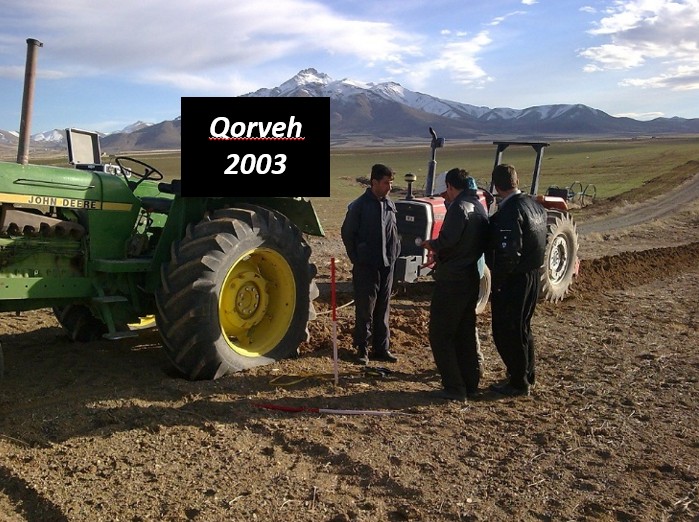
2002-2008 Conceptual design of a tillage equipment: combination of a rotary harrow and subsoiler A concept was designed and developed in which a wheel-driven rotary harrow is combined with a subsoiler. The combination was intended to reduce soil erosion and fossil fuel consumption. |
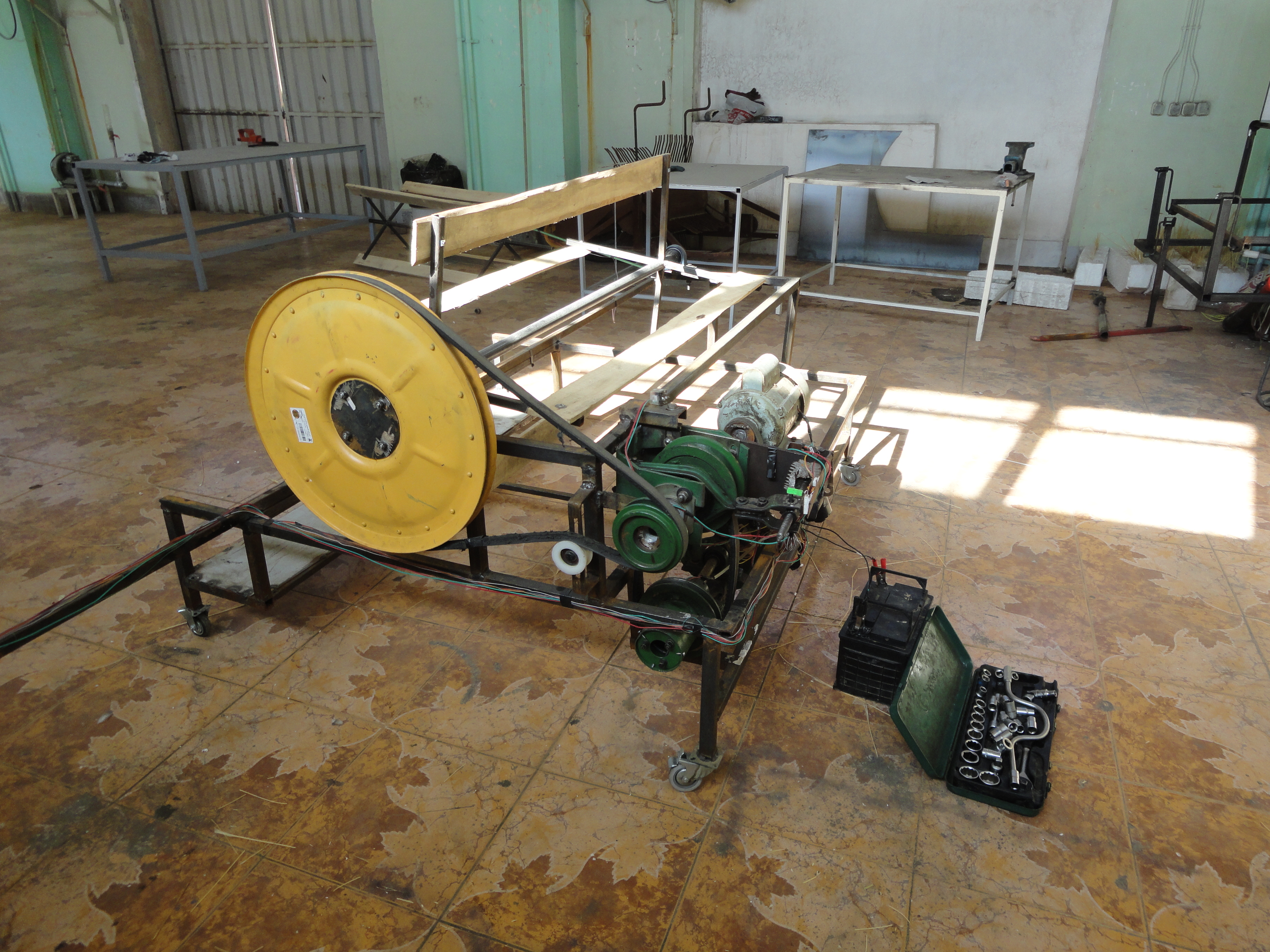
2002-2004 Physical and mechanical properties of Persian walnut for automatic grading The impact force required to crack the shell was measured as a function of fruit size and weight. The results were used for automatic fruit sorting while reducing damage. |
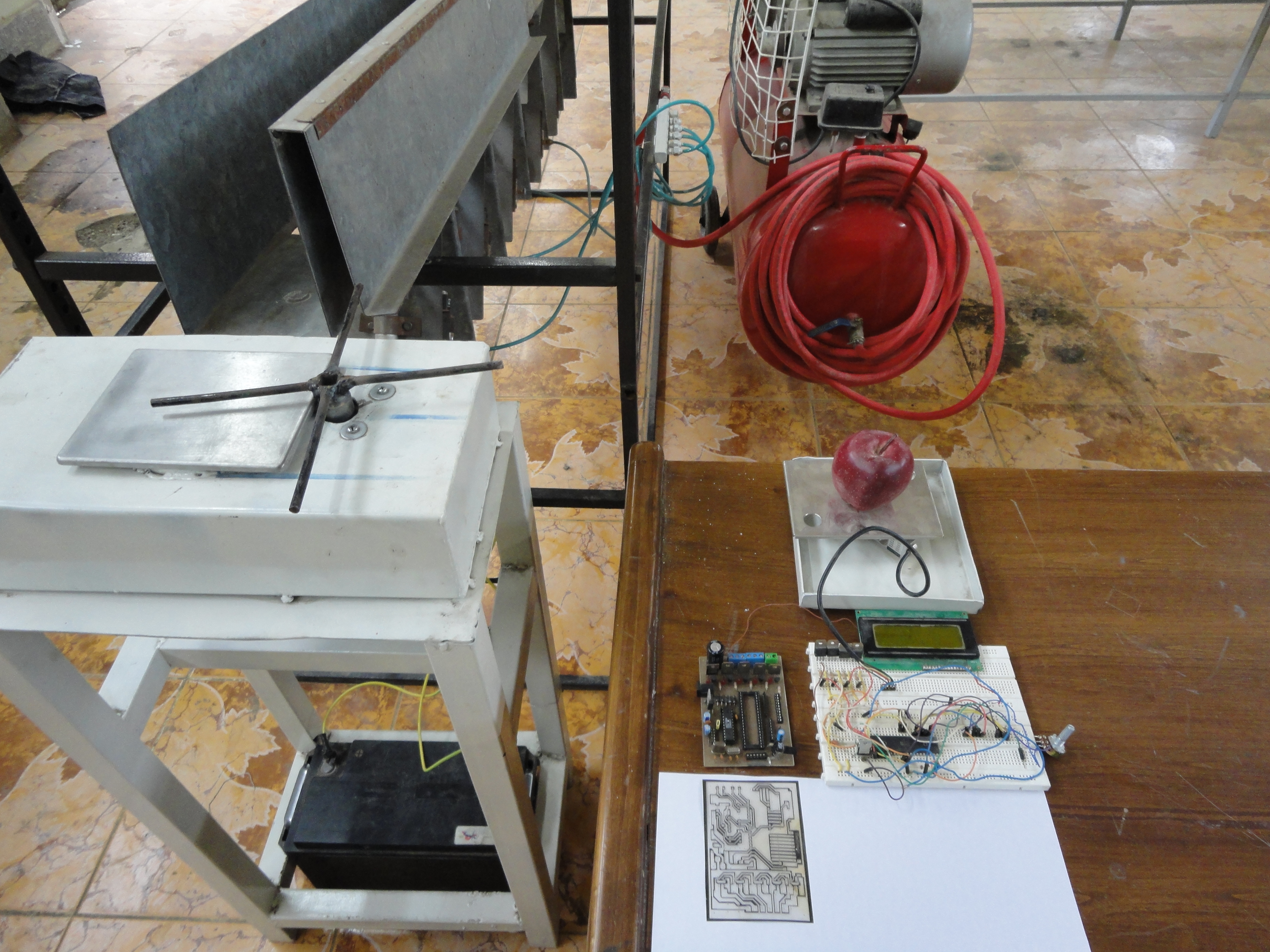
2003-2004 Design and development of an automatic apple fruit sorter The objective of this study was to design, evaluate, and optimize a weight-sorting machine for spherical fruits. A measuring system, mechanical components, and a digital control architecture were integrated for material transfer, interfacing, and sensing in the weight-based sorting machine. The peak signal-to-noise ratio (PSNR) criterion was employed to analyze the machine's performance and support its improvement. |
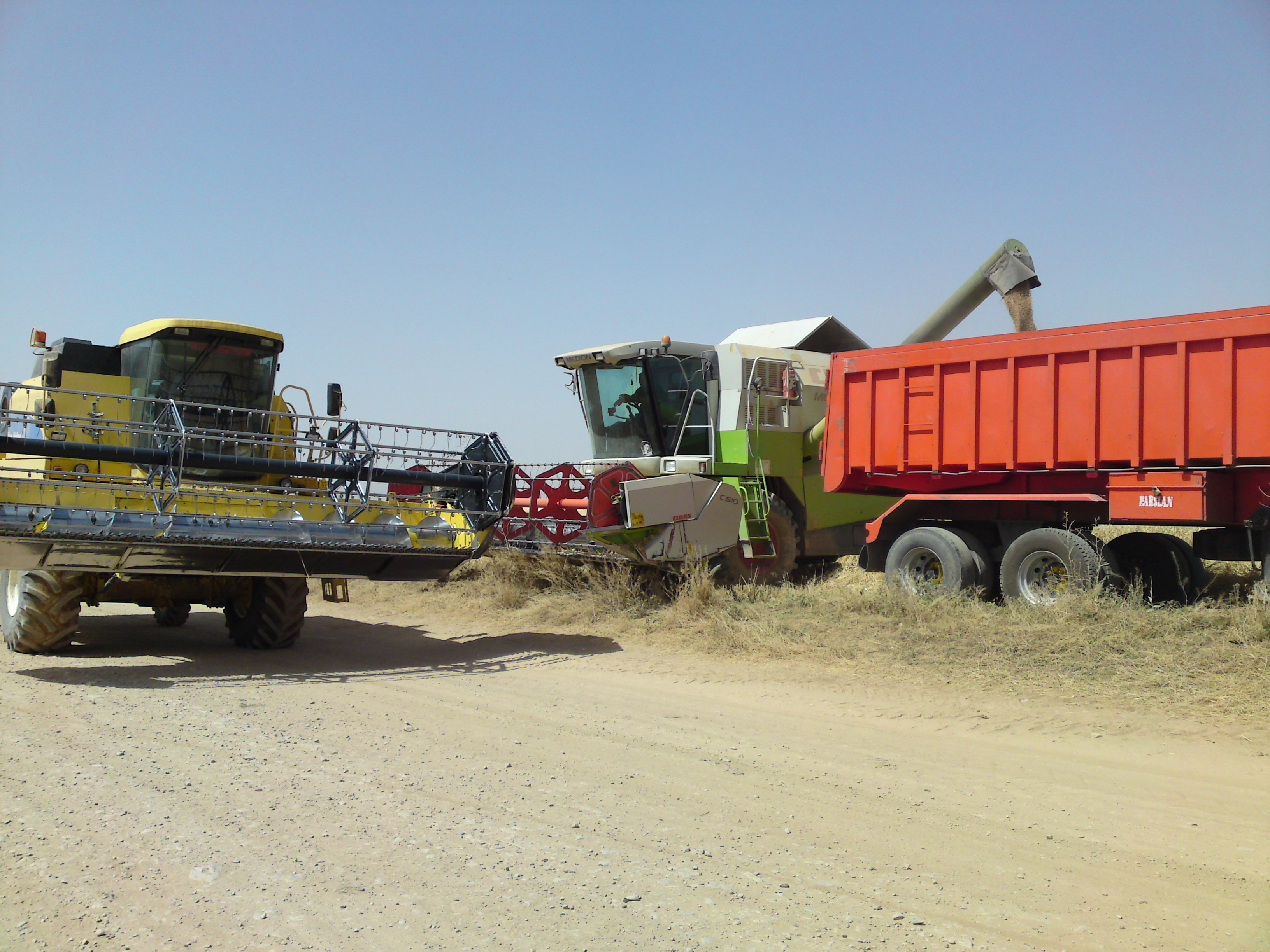
2008-present Evaluation of grain combine harvesters' losses in rain-fed wheat Rain-fed wheat is a major crop cultivated in the semi-arid arable lands of Kurdistan. The performance of available grain combine harvesters is evaluated in terms of harvesting losses across different fields and areas. The observed data trends and analyses indicate a relationship between technological evolution and improvements in harvesting performance, work quality, and food security. |
.JPG)
2011-2016 Design, development, modeling, and evaluation of a chickpea stripper harvester The short stature of rain-fed chickpeas impedes mechanical harvesting using grain combine harvesters. In this project, four concepts and a prototype were developed and evaluated in the field for their performance. Mathematical modeling, computational simulation, and field evaluation were used as tools for optimization. |
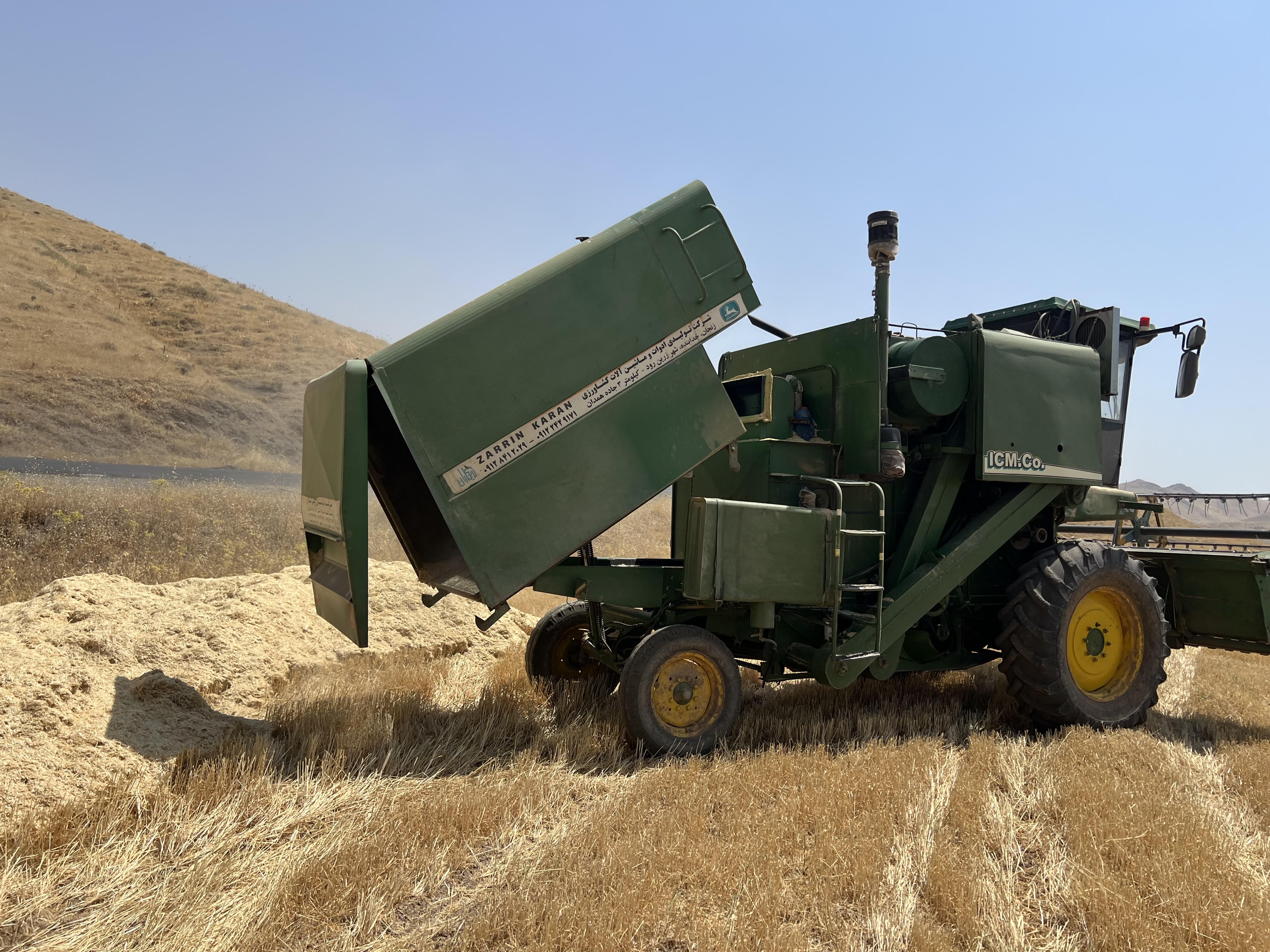
2020-2025 Circular bioeconomy in the rotation of rain-fed wheat and chickpea A cyber-physical model integrates computational elements, socioeconomic data, and policies to support future planning. The model advances a circular bioeconomy system (CBS) within a conventional cropping system by incorporating precision agriculture. |
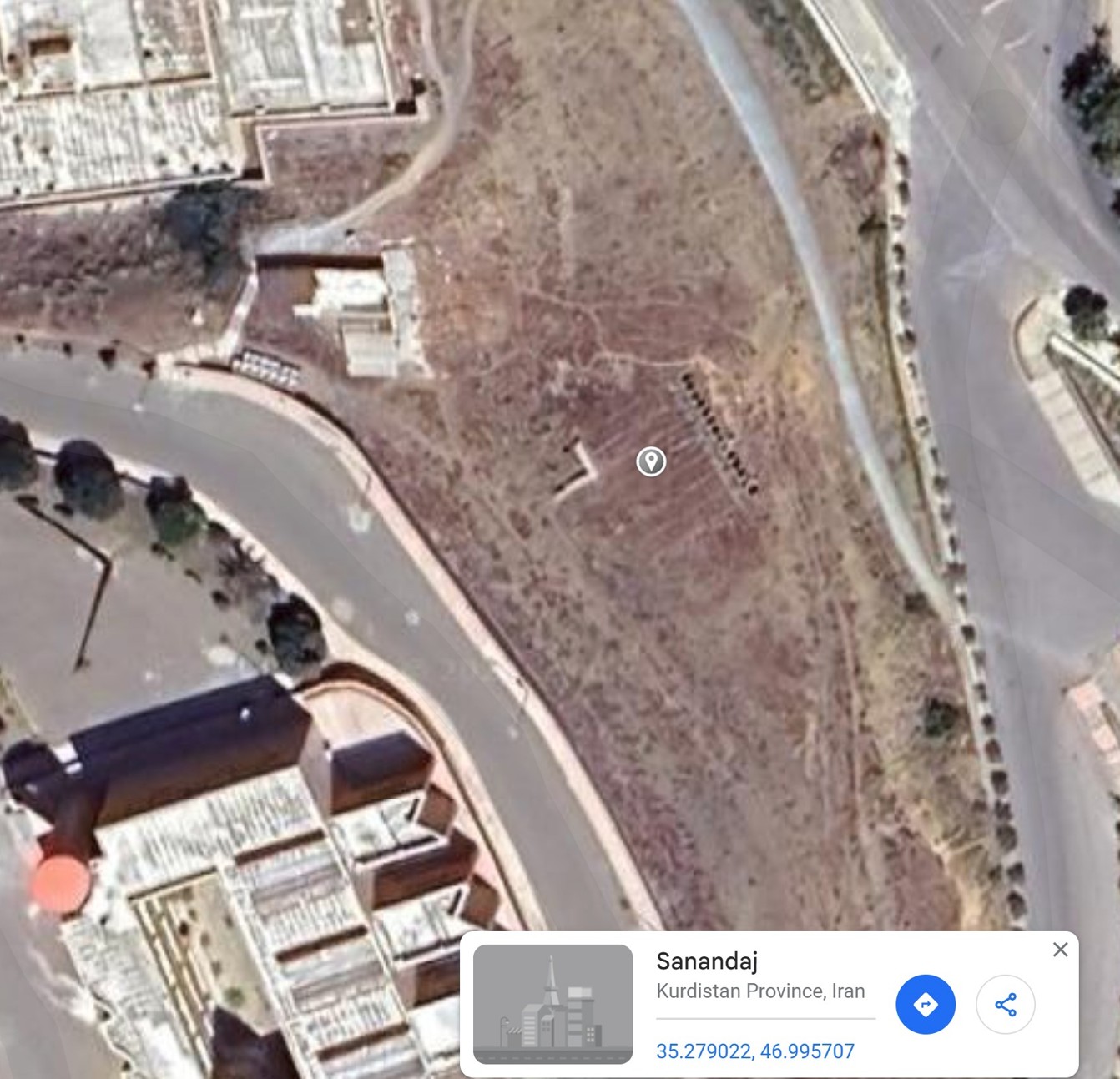
2003-2028 Dynamic modeling of soil erosion in grassland hills converted to croplands Converting grasslands into croplands through intensive tillage to meet food demands accelerates soil erosion and soil displacement. This project compares soil erosion between a natural site and a plowed site using a mathematical model. |
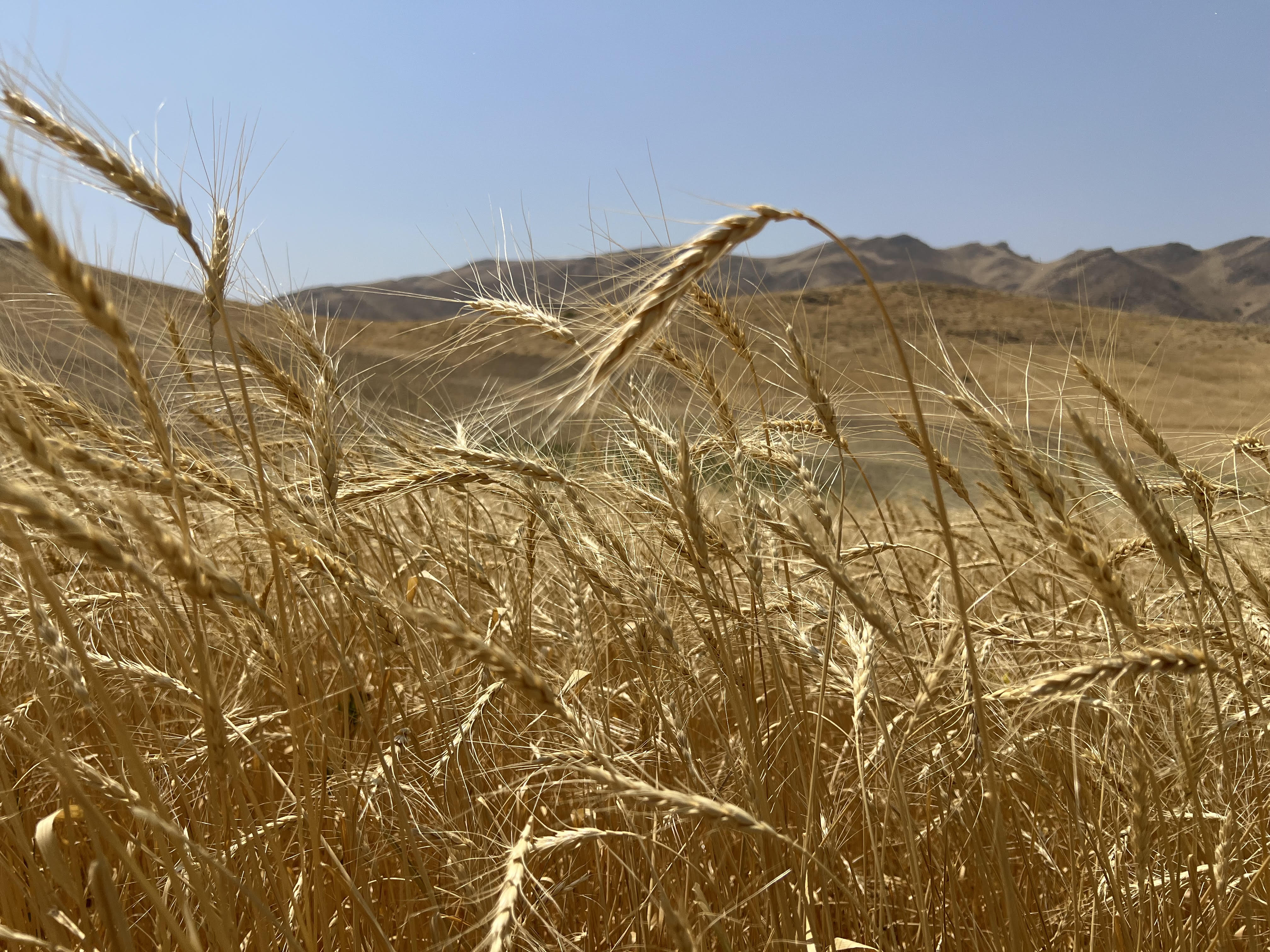
2017-2022 Dynamic simulator for adoption of an enhanced wheat cultivar Drought threatens food security by reducing harvestable yield. A climate-smart circular bioeconomy can mitigate the adverse impacts of climate change. In a survey, farmers' attitudes toward new technologies were studied. A Markov process-based simulator was developed to analyze the data. |
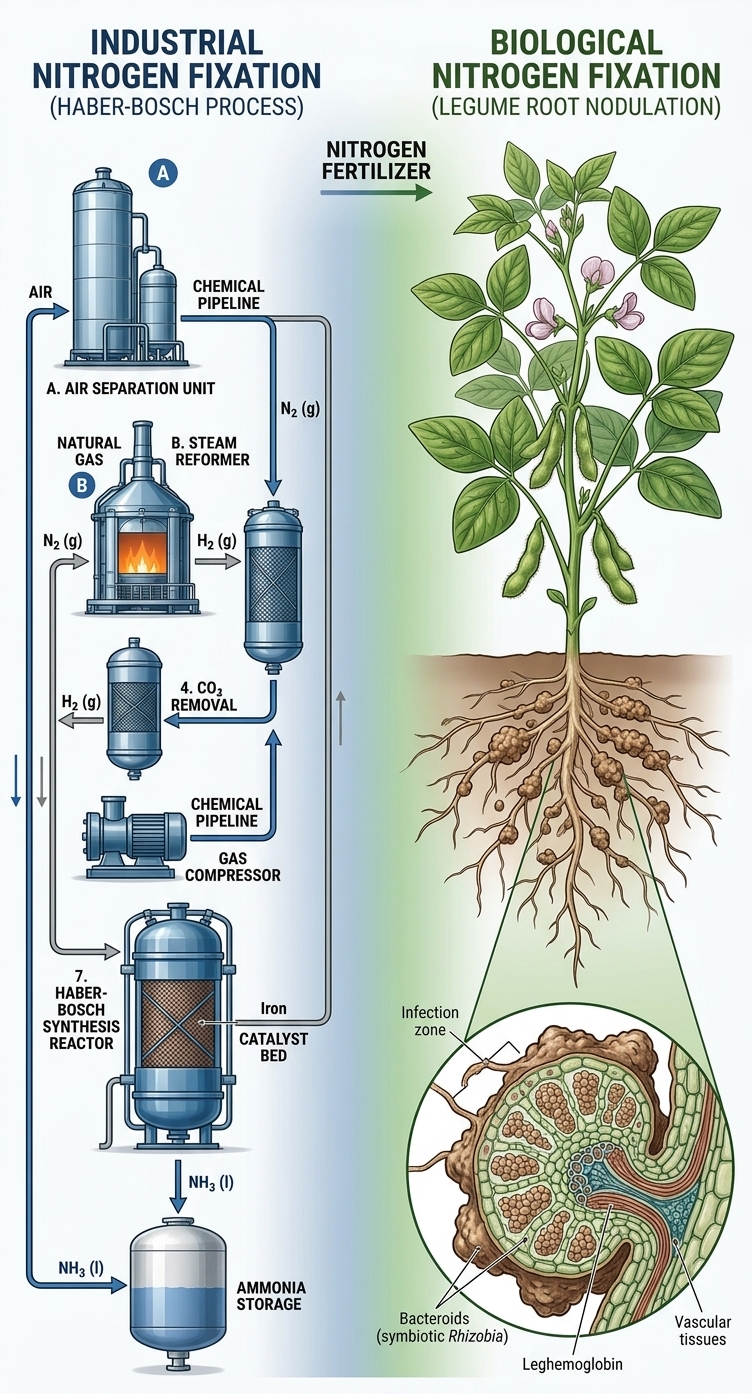
2025-2030 Climate-smart circular bioeconomy of legumes The ammonia production via nitrogen-fixing functionality of legumes in symbiosis with Rhizobia bacteria has the potential to provide an alternative perspective to conventional nitrogen fertilizer production. This approach can reduce associated environmental hazards. The design and development of models and measurement systems facilitate the implementation of regenerative agriculture. |